
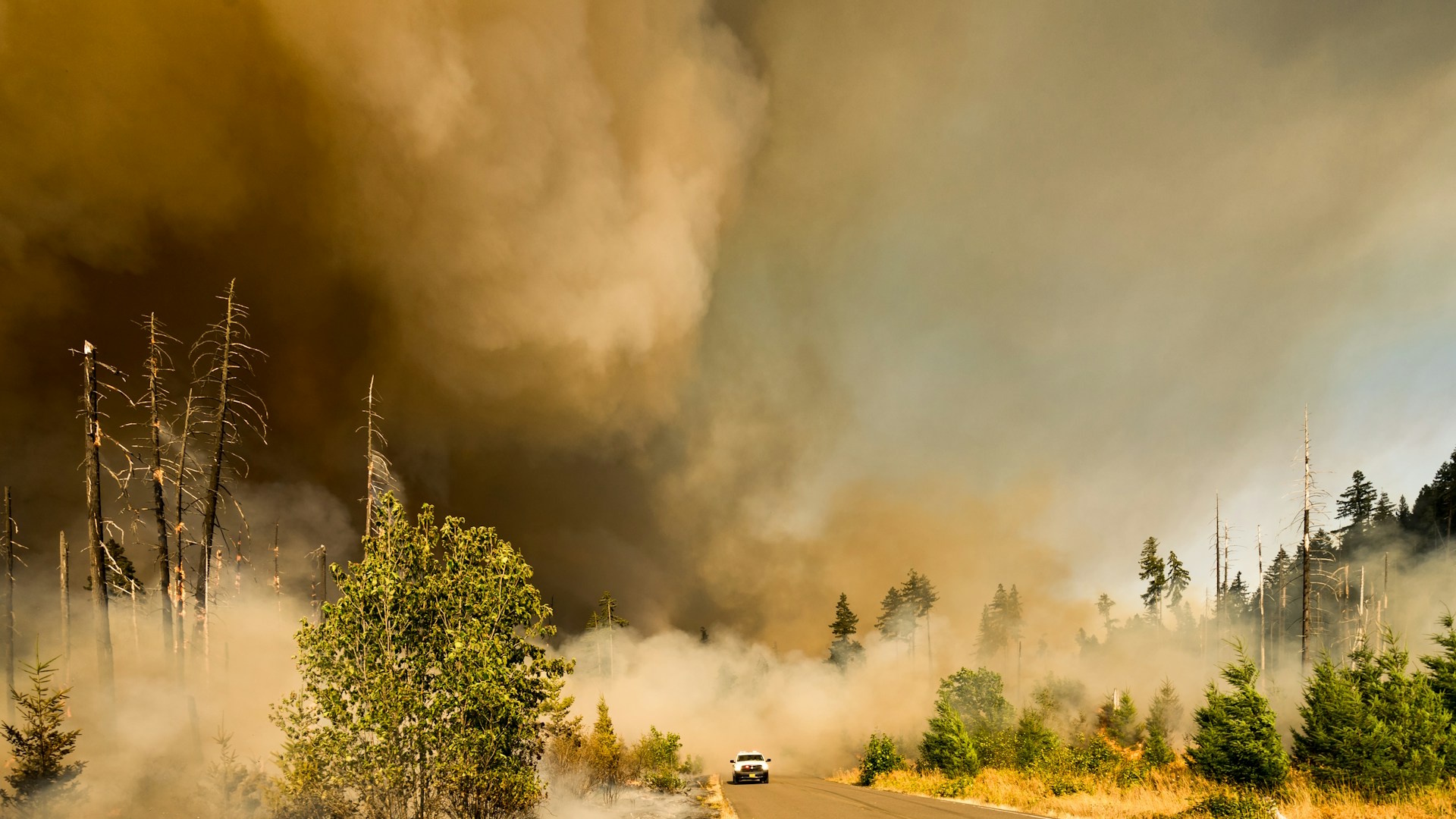
As Alberta’s construction season gains momentum, so does the reality of our changing climate. From the orange haze of wildfire smoke to sudden inclement weather deluges, project timelines are increasingly at the mercy of environmental forces. For contractors and owners alike, understanding how Alberta law treats these events is no longer a fine print exercise, but a core project management necessity.
The Myth of “Act of God” Defence
In Alberta, there is no automatic common law right to force majeure relief. Canadian law does not recognize force majeure as an implied doctrine, and parties cannot rely on it unless their contract expressly provides for it. As repeatedly affirmed by the Supreme Court of Canada and Alberta courts, relief from performance depends either on the wording of an express contractual force majeure clause or, failing that, on establishing frustration, an exceptional remedy reserved for situations where the original bargain has been fundamentally altered and renders performance impossible or radically different from what was undertaken, not simply disrupted and not just more difficult, inconvenient, or expensive.
Instead, any relief depends entirely on the force majeure clause drafted into the specific contract. Alberta courts will not imply a force majeure clause where one does not exist, and absent express language allocating that risk, the contractor generally assumes the risk of delay. If a contract is silent on wildfires, smoke‑related work stoppages, or similar events, a contractor may remain exposed to delay damages even where the site was physically inaccessible. In such circumstances, relief through the doctrine of frustration is often unlikely.
CCDC 2 and Standard Relief Events
Many Alberta commercial projects rely on the CCDC 2 (Stipulated Price Contract), which provides a structured framework for addressing “excusable delays.” Under GC 6.5.3 (delays outside of the Contractor’s control) of CCDC 2 (2020), where a delay is caused by stop‑work orders, abnormally adverse weather, or other neutral events beyond the contractor’s control, the contractor is generally entitled to an extension of Contract Time equal to the delay suffered, but not to compensation for delay‑related costs unless modified by supplementary conditions. This distinction is particularly relevant in the context of wildfires and smoke‑related work stoppages. Where evacuations, road closures, or government actions prevent access to the site, or where unsafe air quality requires work to stop to comply with Alberta occupational health and safety obligations, such interruptions may qualify as excusable delays under GC 6.5.3. However, unless the contract expressly shifts financial risk, these wildfire‑related delays will typically result in time relief only, leaving the contractor to bear the associated costs.
These contractual limits on cost recovery are especially consequential in the context of Alberta’s increasingly common wildfire events. While the CCDC may treat evacuation orders, access restrictions, or smoke‑related safety shutdowns as excusable delays for time, contractors should not assume that this contractual relief aligns with their regulatory obligations under occupational health and safety legislation or with the realities of construction insurance availability. As wildfire risk intensifies, the intersection of delay provisions, mandatory safety compliance, and insurer binding restrictions has become a critical (and often underestimated) project risk that must be actively managed at the contracting stage.
Recent early evacuations and widespread smoke events across Alberta, British Columbia, Manitoba, Saskatchewan, Ontario, and Quebec underscore the fact that wildfires now present a two‑pronged legal challenge across Canada, not just in Alberta.
First, physical access disruptions such as evacuation orders, road closures, or civil authority restrictions may constitute force majeure or excusable‑delay events where those triggers are expressly included in the contract, a scenario increasingly common during peak fire periods in multiple provinces.
Second, air‑quality impacts raise parallel compliance risks: even where wildfires are hundreds of kilometres away, hazardous smoke has repeatedly triggered health advisories and work‑safety concerns nationwide, requiring employers to assess whether work can continue safely under provincial occupational health and safety regimes and potentially resulting in legally mandated work stoppages.
The Wildfire Nuance
Wildfires bring a two-pronged legal challenge:
- Physical Access: Evacuations or road closures are commonly recognized Force Majeure triggers when expressly included.
- Air Quality: Even if the fire is 100km away, Alberta Occupational Health and Safety (OHS) mandates a safe work environment. High AQI (Air Quality Index) levels may require work stoppages to protect workers from smoke inhalation, triggering a “legal requirement” delay.
Critical Action Items for the 2026 Season
To protect your project from the “unforeseeable,” follow these three pillars of risk management:
1. Define “Weather” Specifically
Standard clauses often cite abnormal weather. In Alberta, “abnormal” is a moving target. The CCDC does not define “abnormally adverse weather,” and Alberta courts assess whether weather is abnormal by reference to historical norms and on a project‑specific basis, taking into account timing, location, and expected seasonal conditions.
To reduce uncertainty, parties should consider expressly defining whether “inclement weather” includes smoke‑related work stoppages, extreme heat events, or other conditions that exceed applicable occupational health and safety thresholds. Given the increasing frequency of wildfire smoke and heat‑related hazards, addressing these risks expressly and contractually is a prudent risk‑management step rather than relying on after‑the‑fact interpretation.
2. The 50km Insurance Gap
Insurers are increasingly cautious during wildfire season. Many now use a simple rule: if there is an active wildfire within about 50 kilometres of a project site, they may refuse to issue or extend insurance coverage. This can happen even if the fire is in another province and even if the project site itself is not damaged. Because construction projects usually cannot proceed, complete, or hand over without insurance, this gap can freeze financing, delay occupancy, and stall project completion at a critical moment.
This risk is made worse by long‑range wildfire smoke. Poor air quality caused by fires hundreds of kilometres away can still trigger regional risk alerts and insurance restrictions that affect projects well outside the immediate fire zone.
To better manage wildfire risks, project teams should treat insurance as a core strategy rather than a final checklist item. Consider these steps:
- Smart Scheduling: Whenever possible, aim for major milestones (e.g., project completion or building occupancy) outside of peak wildfire season.
- Early Consultation: Engage insurance brokers early to identify current restrictions regarding wildfire and smoke.
- Strategic Alignment: Ensure that your contracts, safety plans, and financial models reflect actual insurance market realities.
- Build in Buffers: Add modest timing cushions around completion dates. This helps the project absorb unexpected delays caused by wildfires without derailing the entire schedule.
3. Strict Notice Compliance
Lastly, a force majeure clause is not a “get out of jail free” card, but rather a procedural right with corresponding obligations. Most contracts require written notice within a strict window of the event’s first instance of occurrence. Failing to send that *gentle email notice, even if the owner clearly sees the smoke, can result in a waiver of your right to an extension. Therefore, to ensure your rights to a relief under a force majeure clause remain valid, the party seeking to invoke such clause must strictly adhere to the administrative requirements of the agreement. This may include maintaining a standardized event tracker and clarifying compliance windows with your counterparty.
Conclusion: Plan for the Burn
In Alberta, wildfires are no longer unforeseeable anomalies; they are becoming a predictable seasonal reality. To ensure successful project delivery in 2026, parties must move beyond generic Force Majeure clauses. Resilience now requires active management of the intersection between OHS safety mandates, insurance thresholds, and strict contract notice requirements. In this environment, the best defence is a proactive, well-documented offence.
As the Alberta construction landscape evolves, proactive risk management and strict adherence to contract timelines are your best tools for avoiding disruption. If you have questions regarding force majeure or construction law, please contact:
- Peewara Sapsuwan at peewara.sapsuwan@nicol.law
- Angelo Merani at angelo.merani@nicol.law